

Introduction
Somewhere between checking work email at 11 PM and scrolling the same three apps before sleep, most of us stopped noticing how little real downtime we get. Even holidays don’t help much anymore, since people carry laptops to the hills and reply to messages from hotel balconies. Lamahatta is one of the few places where that habit is genuinely hard to keep up, mostly because there’s so little around to distract you from putting the phone down.
A digital detox means deliberately stepping back from screens for a set period, usually to cut down on notifications and the low-grade stress of always being reachable. It’s less about deleting apps forever and more about giving your attention a break.
The benefits show up quickly. Less screen time in the evening tends to mean better sleep. Focus improves once you’re not checking a phone every few minutes, and stress drops when you’re not refreshing an inbox that never actually empties. None of this needs strict rules, just enough time away from your routine to notice the difference.
Mountain destinations make this easier without you having to try very hard. The air feels different at altitude, cool and thin in a way that makes you want to sit still rather than reach for a screen. Mornings start with birdsong instead of notification sounds, and the forest around you doesn’t ask anything of you the way a phone does.
There’s also the view. A clear morning with the Kangchenjunga range visible from your window holds your attention longer than a scroll ever does, simply because it keeps changing with the light.
Lamahatta works well for this because it hasn’t been built up the way Darjeeling or Gangtok have. There’s no Mall Road, no long queue of tour buses, and far fewer people competing for the same viewpoint at sunrise.
What you get instead is pine forest right up to the village edge, working tea gardens on the slopes, and a small Eco Park with trails leading to a quiet lake called the Pokhri. The pace here is genuinely slow, not styled to look that way for photos. Local Lepcha and Nepali communities still run daily life in the village, so a walk through Lamahatta feels more like passing through someone’s home than a tourist circuit.
The walk from most properties to the main viewpoint takes under half an hour and needs nothing beyond good shoes.
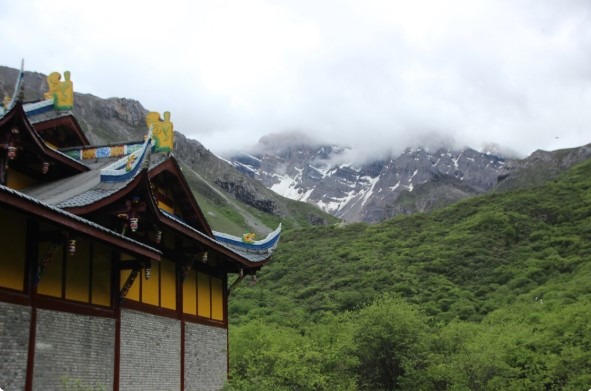
Kangchenjunga is often visible on clear mornings, and the twenty minutes after first light change colour fast enough to hold your attention on their own.
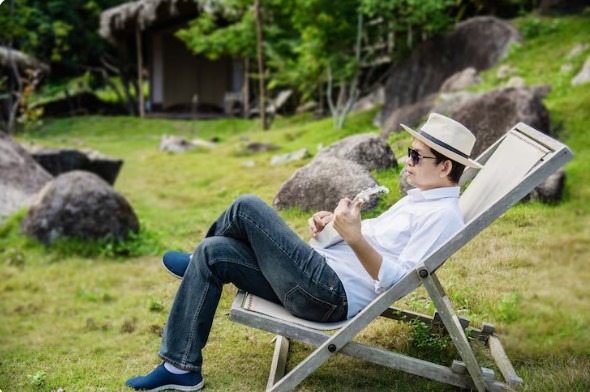
A porch, a blanket, and an actual paperback work better here than they sound, mostly because nothing else is competing for your attention.
Meals here tend to be simple and unhurried, often the best part of the day if you let them be.
Tinchuley and Takdah are both short drives away, each good for half a day without needing to rush back.
Without a screen splitting everyone’s attention, dinner conversations tend to run longer than usual.
A quiet balcony facing the mountains does most of the work for you here.
Take the photo, then put the phone away instead of editing and posting it right away. The moment holds up better that way.
Because Lamahatta is small, the property you choose shapes the whole experience more than in a bigger town. Look for a peaceful location away from the main road, rooms that are genuinely comfortable rather than just photogenic, and a clear mountain view if that matters to you.
Cleanliness and hospitality matter more here too, since you’re relying on one property for most meals and downtime rather than exploring a wider town. A locally inspired stay, one that reflects the area rather than feeling like a city hotel transplanted into the hills, tends to make the detox easier.
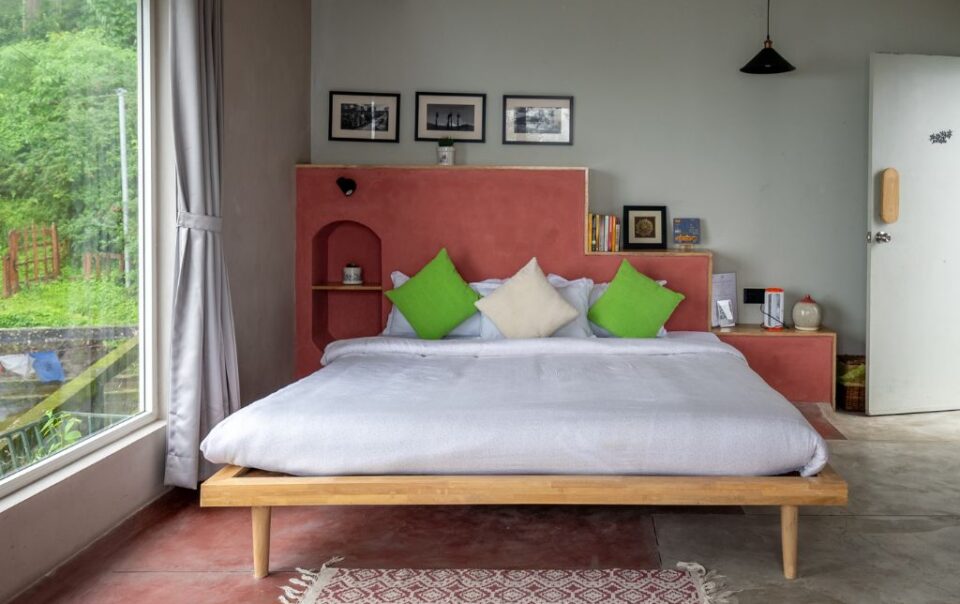
The Oak Hospitality runs a boutique hotel in Lamahatta built around exactly this kind of quiet stay. Rooms are simple and comfortable, with views toward the pine forest and the Kangchenjunga range on clear days, and the property sits away from the busier stretch of the village.
The team here tends to know the area well enough to point you toward a good walk or a quiet time to visit the Eco Park, without over-scheduling your days. If a peaceful stay in Lamahatta is what you’re after, it’s a reasonable place to start looking.
A digital detox doesn’t need a strict plan or a total ban on devices. It mostly needs a place quiet enough that reaching for your phone stops being the automatic thing to do. Lamahatta does that job well, not because it’s trying to be a wellness destination, but because there’s genuinely less noise here to compete with. If a few days away from notifications sounds overdue, Lamahatta is worth planning around, and The Oak Hospitality is a good place to start that trip.
What is a digital detox?
A deliberate break from screens and notifications, taken to reduce stress, improve sleep, and regain focus without needing to delete apps permanently.
Why is Lamahatta good for a digital detox?
It has far fewer distractions than bigger hill stations: no crowded market, limited network congestion, and a slow pace that makes stepping away from your phone easier than forcing it.
Which hotel in Lamahatta is suitable for a peaceful holiday?
The Oak Hospitality offers a boutique hotel in Lamahatta in a quieter part of the village, with simple, comfortable rooms and views toward the Kangchenjunga range.
How many days are ideal for a digital detox trip?
Two to three days is usually enough to notice a real shift, covering a village walk, sunrise viewing, and enough downtime to actually disconnect.
What can I do in Lamahatta without using my phone?
Nature walks, sunrise viewing, reading, local meals, short excursions to Tinchuley or Takdah, and simply sitting outside are all realistic ways to fill the day.
Is Lamahatta suitable for couples?
Yes. With little nightlife and no real shopping, evenings tend to mean quiet conversation rather than anything scheduled, which suits an unhurried trip.
What is the best season to visit Lamahatta?
October to December and March to May offer the clearest skies and best mountain visibility. The monsoon months, June to September, bring frequent cloud cover.