


There’s a moment — somewhere between the third cup of tea and watching the fog swallow the pine trees whole — when you stop checking the weather forecast and start being grateful for the rain.
That’s the magic of Lamahatta. And with the right stay, the experience becomes even more unforgettable.
Most travel blogs will tell you to avoid the hills in monsoon season. Skip June to September. Come back when the skies are blue. But here’s what those blogs miss: rainy Lamahatta is a completely different destination. The crowds disappear. The prices drop. The forests turn impossibly green. And if you’re tucked into a warm room at The Oak Retreat, with the sound of rain hitting pine needles outside your window—honestly, you won’t want to leave.
Lamahatta sits at roughly 6,800 feet in the Darjeeling hills, about 23 km from Darjeeling town. The name itself comes from Buddhist roots—”Lama” (monk) and “Hatta” (hut)—so there’s always been something intentionally quiet about this place. A retreat, by definition.
During peak season, that quietness gets noisy. Tourists crowd the ecopark. Homestays fill up weeks in advance. The 750-meter trek to the sacred lake, locally called Jore Pokhari or Pukri Lake, becomes a procession rather than a walk.
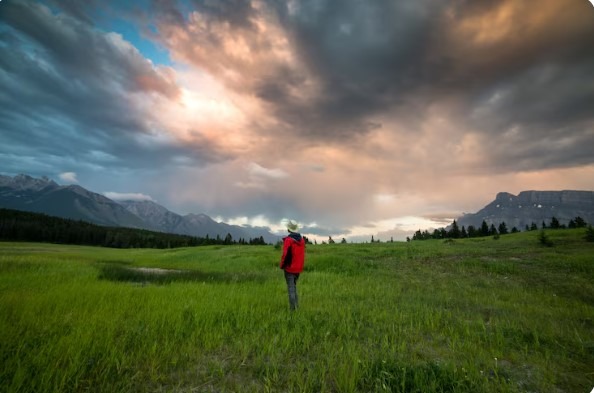
In monsoon? All of that changes. Mid-June projections for 2026 show close to 87 mm of rainfall in a single week, with humidity hovering between 90% and 98%. Days run overcast and cool. The Kanchenjunga range disappears behind clouds—locals call it “The Great Disappearance”—and the entire landscape shifts into something almost otherworldly.
Visitors who’ve been here during the rains describe the Lamahatta Eco Park in monsoon as “mind-blowing” and “unreal.” Tall pines wrapped in soft mist. The sacred lake reflects grey skies and dark trees. The kind of scene that makes you reach for your camera and then put it down because no photo will do it justice.
The trade-off is real, though. NH-10, the main highway connecting the region, can get blocked by landslides near Melli and Teesta Bazaar. Regional authorities issue Red Alerts during heavy spells. Flight visibility at Bagdogra can get dicey. Night travel is a firm no. These aren’t scare tactics — they’re practical realities that shape how you plan a monsoon trip here.
Which is exactly why your choice of where to stay matters more in the rain than at any other time of year.
The Oak Retreat is a hotel in Lamahatta that was built around a simple idea: hospitality should feel like coming home to somewhere better than home. During the monsoon season, that idea gets tested — and The Oak Retreat passes.
The property sits within walking distance of the eco park, surrounded by Dhupi and Pine forests that drape in mist from June through September. The views of the Kanchenjunga range that disappear in the rain are replaced by something equally arresting: layers of green ridgelines fading into grey-white fog, pine trees emerging and disappearing like they can’t decide whether to show themselves.
The rooms are warm. That sounds obvious until you’ve spent a cold, wet afternoon in a Darjeeling hill homestay that didn’t get the memo about insulation. At The Oak Retreat, the attention to comfort is visible in the details—the kind of place where you don’t end up sleeping in your jacket.
What also sets it apart: the ethos. The Oak Hospitality, which manages the property, is committed to what they call “swadeshi hospitality”—locally rooted, community-driven, and environmentally sustainable. That’s not marketing language here. It’s reflected in the food, the warmth of the staff, and the genuine care shown to guests—such as extending stays beyond checkout when a landslide makes it unsafe or impossible to leave.
That last part matters during monsoon season. When the hills decide to close for the day, you want to be somewhere that treats you like a person, not a booking number.
People assume a rainy Lamahatta trip means staring at walls. It doesn’t.
The eco-park in the mist. The Lamahatta Eco Park is genuinely different in the monsoon. The flower gardens quiet down, but the forest picks up. Walking through pine trees with fog at your knees is the kind of experience that doesn’t require sunshine to be spectacular.
The trek to the sacred lake—carefully. The 750-meter uphill trail to Jore Pokhari gets slippery. The path is stone and mud, and wet stone moves. Waterproof boots with good grip aren’t optional in the rain. But for those who prepare properly, the lake in the monsoon is something worth the scramble.
Thukpa and momos on a loop. Lamahatta’s food scene is built around Tibetan and Nepalese cooking. During the rains, a bowl of thukpa—that rich, warming noodle soup—becomes less of a food option and more of a necessity. The momos here are the right kind of dense and satisfying. You will order them more than once.
Nearby tea estates. Runglee Rungliot and Peshok tea estates are close enough to visit when the rain takes a breath. Watching tea fields in low cloud has its own particular beauty that peak-season clarity can’t replicate.
The watchtower. On clearer monsoon days (they happen), the watchtower offers 360-degree views of the Teesta River, Rangit River, and the Sikkim hills. Bring a flask of something hot.
Monsoon is off-season in the hills. That’s good news for your wallet. The best Lamahatta hotels — including The Oak Retreat — tend to see lower rates between June and September, and availability is far better than during the October-to-May rush. If you’ve been waiting for an excuse to upgrade your usual booking, monsoon is it.
Taxi from Darjeeling to Lamahatta runs roughly ₹3,000 for a round trip covering nearby spots like Tinchuley and Takdah. SUVs make more sense than hatchbacks in the rain — the roads demand it. From Bagdogra, plan for weather delays and build buffer time into your arrival day.
If you’re working out a 3-day itinerary, a common route covers Tinchuley and Takdah on day one, Lamahatta Eco Park and tea estates on day two, and Chatakpur or Kurseong on the way back. It’s manageable even in the monsoon if you stay flexible and watch the alerts.
Here’s something that surprises first-time visitors: a luxury stay in Lamahatta doesn’t cost what you’d expect for the quality you get. The Oak Retreat occupies a price point where the rooms are genuinely comfortable, the setting is genuinely beautiful, and the service is genuinely personal — without the inflated rack rates you’d see in a Darjeeling town hotel with half the character.
Boutique properties in this range typically run between ₹5,000 and ₹7,000 per night, often with meals included. In the monsoon, those rates tend to slide further. For what you’re getting — waking up to fog-wrapped pine forests, sitting down to homemade Nepali thalis, being 23 km from the tourist chaos of Darjeeling — that’s not a price. That’s a deal.
A few things that make the difference between a difficult monsoon trip and a good one:
Pack as it means it. A quality raincoat, not a flimsy one. Waterproof walking shoes with grip. An umbrella for shorter walks. Dry bags for your electronics. Lamahatta in mid-monsoon can see nearly 25–28 mm of rain in a single day.
Don’t travel at night. Local police and experienced guides are consistent on this. Narrow hill roads, fog, and landslide risk after dark are not a combination worth testing.
Stay flexible. NH-10 can close without much warning. Build a buffer day into your trip if you can. If you’re staying at a property that understands the hills — The Oak Retreat has this reputation—being stranded for an extra day isn’t the disaster it sounds like.
Watch the alerts. Darjeeling and Kalimpong districts are under Red Alert during heavy rain spells. This affects road travel more than anything else. Check before you drive.
Look — hotel in Lamahatta searches spike in October and the spring months because those are the clear-sky, mountain-view months. Kanchenjunga visible from your window. Sunrise photography. Peak-season energy.
But the people who come back with the most interesting stories? A lot of them came in June.
There’s something about monsoon Lamahatta that doesn’t need the mountain to justify itself. The forest is enough. The mist is enough. The bowl of Thukpa by the window, rain running down the glass, fog pressing in from all sides — that’s enough. More than enough.
If you’re the kind of traveller who actually wants to slow down rather than just planning to, if you’d rather feel a place than photograph it, and if you don’t mind packing a proper raincoat—Lamahatta in the rain might be the trip you’ve been accidentally waiting for.
And among the best Lamahatta hotels that know how to make that experience feel worth the journey, The Oak Retreat is the one that keeps earning its place on the list.
Explore The Oak Retreat Lamahatta →
Check Room Availability →
Is Lamahatta good to visit in the rainy season?
Yes — with the right preparation. Monsoon transforms Lamahatta into a lush, misty destination that’s genuinely beautiful, less crowded, and more affordable. The Eco Park and pine forests look spectacular in the rain. Just plan around road conditions and pack proper rain gear.
Can I see Kanchenjunga from Lamahatta during the monsoon?
Unlikely. June to September is what locals call “The Great Disappearance” for mountain views. Heavy cloud cover typically hides the range. If mountain views are your primary goal, October to May is better. If you’re after a completely different kind of landscape experience, monsoon delivers.
Is The Oak Retreat a good hotel in Lamahatta for families?
The Oak Retreat suits families, couples, and solo travellers alike. The property’s focus on community-driven, locally rooted hospitality makes it a comfortable base for different travel styles, and the team has a reputation for flexibility during weather-related disruptions.
What should I pack for a rainy trip to Lamahatta?
A good raincoat (not a light one), waterproof shoes with grip, an umbrella, dry bags for electronics, and warm layers. Temperatures stay cool even in summer, once you’re at 6,800 feet and wet.
Is a luxury stay in Lamahatta expensive during the monsoon?
Monsoon is off-season, which typically means better rates at quality properties. Boutique hotels like The Oak Retreat offer comfortable, well-appointed stays — often with meals — at rates lower than peak-season pricing.